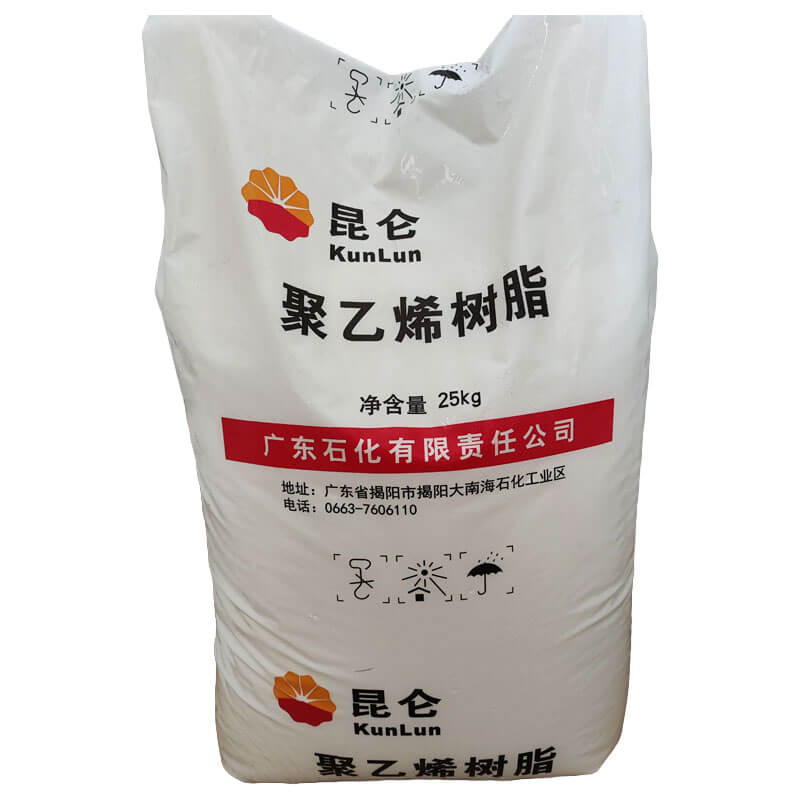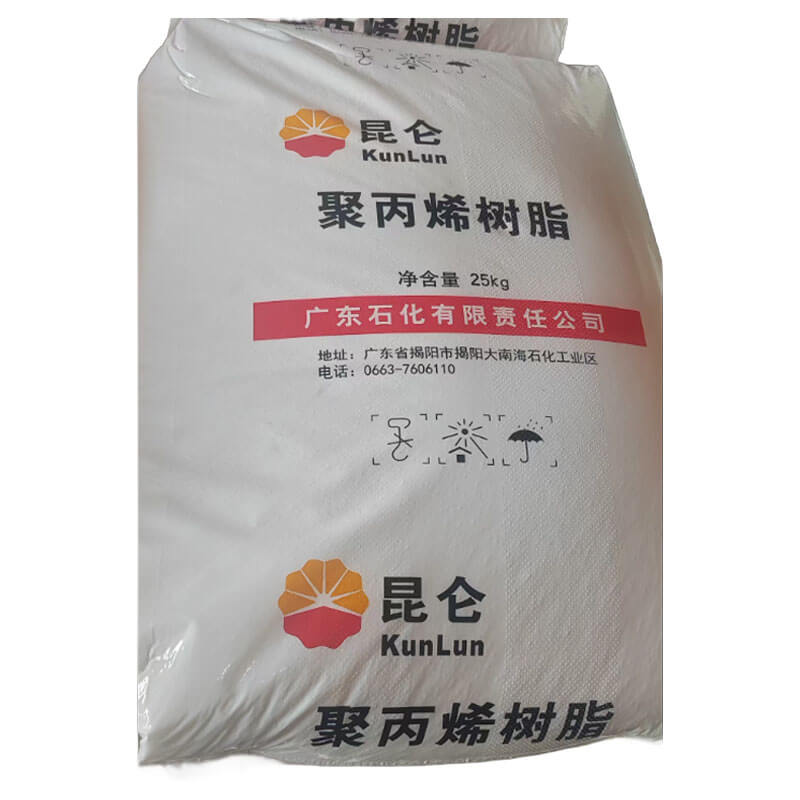
Polypropylene Resin PP

    • Product Name: Polypropylene Resin PP
    • Factroy Site: Jieyang Dananhai Petrochemical Industrial Zone, Jieyang City, Guangdong Province
    • Price Inquiry: sales6@ascent-chem.com
    • Manufacturer: PetroChina Guangdong Petrochemical Co., Ltd
    • CONTACT NOW
    Specifications
    HS Code 622710
    Density 0.90-0.91 g/cm3
    Melting Point 160-170 °C
    Tensile Strength 25-40 MPa
    Flexural Modulus 1200-1800 MPa
    Elongation At Break 100-600%
    Izod Impact Strength 2-20 kJ/m2
    Rockwell Hardness R80-R110
    Heat Deflection Temperature 100-130 °C at 0.45 MPa
    Water Absorption 0.01-0.02%
    Dielectric Strength 40-50 kV/mm
    Volume Resistivity 1×10^15 ohm·cm or higher
    Thermal Conductivity 0.17-0.22 W/m·K
    Melt Flow Rate 0.5-50 g/10 min
    Chemical Resistance Resistant to acids, alkalis, salts, and polar organic solvents

    As an accredited Polypropylene Resin PP factory, we enforce strict quality protocols—every batch undergoes rigorous testing to ensure consistent efficacy and safety standards.

    Packing & Storage
    Packing Polypropylene Resin PP is packaged in 25 kg woven polypropylene bags, lined for moisture protection, palletized and shrink-wrapped.
    Container Loading (20′ FCL) 20′ FCL loading of Polypropylene Resin PP: 25kg bags palletized, securely stowed for safe transport, preventing contamination and damage.
    Shipping Polypropylene Resin (PP) is shipped as non-hazardous thermoplastic pellets in clean, dry, moisture-proof bags, gaylords, or bulk hopper containers. Protect from direct sunlight, high heat, and contamination. Not regulated as dangerous goods under IMDG/ADR, but standard safe handling and good hygiene should be maintained during transport.
    Storage Store polypropylene resin in a cool, dry, well-ventilated area away from direct sunlight, heat sources, and ignition sources. Keep packaging sealed to prevent moisture absorption and contamination. Avoid prolonged UV exposure. Maintain moderate temperatures, ideally below 40°C, and use within a reasonable shelf life to preserve material quality.
    Shelf Life Shelf life: typically 2+ years when stored in a cool, dry, shaded area, away from UV, heat, and moisture.
    Application of Polypropylene Resin PP

    In tenter-frame biaxially oriented polypropylene (BOPP) processing, the cast sheet quenched to 15–30 °C on a chill roll is reheated for machine-direction orientation at 120–140 °C and transverse-direction orientation at 150–170 °C; the machine-direction draw ratio is held at 4.5:1–5.5:1 and the transverse-direction draw ratio at 8.0:1–10.0:1 because higher transverse draw without adequate chain relaxation initiates edge necking and web breaks. The base resin is a polypropylene homopolymer with a melt mass-flow rate of 2.5–4.0 g/10 min under ISO 1133-1 at 230 °C/2.16 kg, used at 97.0–99.5 wt%. Anti-blocking masterbatch containing 5–10 wt% silica is added at 0.3–0.8 wt%, slip masterbatch at 0.1–0.3 wt%, and antistatic masterbatch at 0.1–0.3 wt%. For heat-sealable coex structures, a propylene-ethylene terpolymer skin layer is coextruded at 1–3 µm thickness with a seal initiation temperature of 95–110 °C. Downstream surface treatment raises film surface tension to 38–42 mN/m for print adhesion. Compliance anchors are FDA 21 CFR 177.1520 for olefin polymers and EU Regulation (EC) No 10/2011, with overall migration not exceeding 10 mg/dm²; packaging waste heavy metal limits fall under EU Directive 94/62/EC. Terminal outputs include clear or cavitated food packaging films at 12–50 µm, pressure-sensitive label facestocks, tobacco overwrap, and metallized barrier laminates with oxygen transmission values below 100 cm³/m²·day·atm after aluminium deposition.

    What governs die pressure in spunbond polypropylene nonwoven lines at filament velocities above 2,000 m/min?

    The melt pressure at the spin pack is governed primarily by the melt mass-flow rate of the polypropylene grade selected for each nonwoven layer. Spunbond grade PP with MFR 25–40 g/10 min is processed at 100 phr with hydrophilic or hydrophobic masterbatch at 0.5–2.0 wt%, while meltblown grade PP with MFR 800–1500 g/10 min receives peroxide-controlled rheology adjustment and is processed with additive masterbatches at 0.2–0.8 wt%. Extruders for spunbond operate with L/D 30–36 screws and melt temperatures of 220–250 °C; spin pack pressures range from 60–120 bar depending on throughput and spinneret hole diameter between 0.4 mm and 0.8 mm. Filament attenuation is completed at 2,000–3,500 m/min, yielding filament denier of 1.5–2.5. Calender thermal bonding at 140–155 °C fixes web structure. Compliance testing follows ISO 9073-3 for tensile strength, ISO 9073-15 for air permeability, and EN 14683:2019 for medical face mask layers; nonwoven hygiene materials intended for indirect food contact fall under FDA 21 CFR 177.1520. Terminal products include spunbond hygiene topsheets and backsheets, surgical mask outer and inner layers, and meltblown filtration media with basis weights of 15–30 g/m².

    A valve-gated hot runner system and a mould temperature of 10–30 °C are required to fill thin-wall polypropylene food containers with flow length to wall thickness ratios between 250:1 and 400:1. High-flow random copolymer grades with MFR 35–100 g/10 min are used at 100 phr, with nucleator or clarifier masterbatch at 0.10–0.30 wt%, slip agent at 0.05–0.15 wt%, and color masterbatch at 1–3 wt%. Injection moulding machines with clamp forces of 250–500 tonnes operate at melt temperatures of 220–250 °C, injection speeds of 100–200 mm/s, and melt pack pressures of 300–700 bar; cycle times for 0.5 mm wall dairy cups remain at 4–8 s. Poor viscosity control creates flow hesitation marks at the flow front, while excessive injection speed produces gate blush. Compliance covers FDA 21 CFR 177.1520, EU Regulation (EC) No 10/2011 with the 10 mg/dm² overall migration limit, and EU Regulation (EU) 2022/1616 for recycled content in food-contact packaging where applicable. Terminal outputs include dairy cups, lids, deli containers, and tamper-evident closures.

    Impact copolymer morphology, talc exfoliation, and low-temperature ductility in automotive bumper compounds

    Polypropylene impact copolymer compounds for automotive exterior parts require controlled heterophasic morphology because the ethylene-propylene rubber phase and talc filler platelets jointly determine low-temperature ductility and dimensional stability. The formulation is built on an impact copolymer base at 60–75 wt%, talc at 10–20 wt%, ethylene–propylene–diene or polyolefin elastomer at 5–15 wt%, antioxidant and processing stabilizer at 0.2–0.5 wt%, and color masterbatch at 2–4 wt%. Twin-screw extrusion with L/D 32–44 and barrel temperatures of 190–230 °C is used for compounding; talc is often side-fed after polymer melting to limit excessive attrition, and vacuum degassing at -0.08 MPa strips residual moisture and oligomers. Melt temperature during subsequent injection moulding is 210–240 °C. Performance relationships are assessed under ISO 6603-2 for multiaxial instrumented impact, ISO 179-1 for Charpy notched impact, and ISO 75-2 for heat deflection temperature. Automotive interior emissions require VDA 275 fogging values below 2 mg, while regulatory compliance includes REACH (EC) No 1907/2006 and RoHS Directive 2011/65/EU. Terminal products are bumper fascias, exterior trim, door panel carriers, air ducts, and battery housing components where the compounds operate within a service temperature range of -20 °C to 80 °C.

    When polypropylene random copolymer is extruded into pressure pipes at melt temperatures below 245°C

    When polypropylene random copolymer is extruded into pressure pipes at melt temperatures below 245 °C, the processing window is bounded at the lower end by incomplete homogenization and at the upper end by depletion of the phenolic and phosphite stabilizer package. The pipe-grade resin has a melt mass-flow rate of 0.3–0.5 g/10 min under ISO 1133-1 and is used at 100 phr; antioxidant masterbatch is added at 0.5–1.0 wt% and color masterbatch at 0.5–2.0 wt%. Extrusion is performed on single-screw machines with L/D 30–33, barrier screw geometry, melt temperatures of 210–240 °C, and vacuum calibration to maintain outside diameter tolerances within ±0.3 mm depending on pipe size. The terminal product is polypropylene random copolymer pipe for hot- and cold-water plumbing and HVAC distribution. Long-term hydrostatic strength is validated under ISO 9080, and pipe dimensions and performance are certified to ISO 15874-2; installation guidance follows DIN 8077 and DIN 8078. In chlorinated water service, stabilizer selection must account for oxidative attack from free chlorine, and published data for specific antioxidant packages in PP-R with sustained chlorine residuals above 2 ppm remains limited.

    Medical syringe barrels and the retention of clarity after 25 kGy gamma irradiation

    Medical syringe barrels and diagnostic labware are injection moulded from radiation-stable polypropylene random copolymers with MFR 10–20 g/10 min at 100 phr; additive masterbatch, typically containing hindered phenolic antioxidant and acid neutralizer, is limited to 0.1–0.5 wt% to reduce extractables. Melt temperature is 220–250 °C, mould temperature 20–40 °C, and barrel wall thickness is held between 0.8 mm and 1.5 mm. Gamma sterilization at 25–50 kGy induces chain scission that increases melt flow and reduces tensile elongation unless sufficient stabilizer is present; tensile properties are tracked under ISO 527-2. Biocompatibility evaluation follows ISO 10993-1, with USP Class VI testing for systemic injection, intracutaneous reactivity, and implantation; chemical suitability for pharmaceutical use is addressed by Ph. Eur. monograph 3.1.3 for polyolefins and FDA 21 CFR 177.1520 where applicable. Terminal products include syringe barrels, pipette tips, Petri dishes, and centrifuge tubes, with clarity retention measured as haze below 5% after sterilization.

    During tape extrusion of polypropylene homopolymer with MFR 2.5–5.0 g/10 min, a slit die is operated at 190–230 °C, followed by water quenching and hot-air or oven orientation at draw ratios of 6:1–8:1. The base resin is used at 100 phr; ultraviolet stabilizer masterbatch is added at 2–4 wt% and calcium carbonate masterbatch at 2–8 wt% to adjust cost and anti-slip behaviour. Oriented tapes are woven and optionally coated or laminated. Compliance for flexible intermediate bulk container construction references ISO 21898, UV resistance is assessed by ISO 4892-2, and woven tape tensile properties are measured under ASTM D4595. Terminal products are woven sacks, flexible intermediate bulk containers, agricultural twines, and carpet backing.

    Related Articles
    Free Quote

    Competitive Polypropylene Resin PP prices that fit your budget—flexible terms and customized quotes for every order.

    For samples, pricing, or more information, please contact us at +8618018036652 or mail to sales6@ascent-chem.com.

    We will respond to you as soon as possible.

    Tel: +8618018036652

    Email: sales6@ascent-chem.com

    Inquiry

    Get Free Quote of PetroChina Guangdong Petrochemical Co., Ltd

    Flexible payment, competitive price, premium service - Inquire now!

    Certification & Compliance
    More Introduction

    Polypropylene Resin PP is a semi-crystalline isotactic thermoplastic manufactured through gas-phase, bulk, or slurry polymerization of propylene with Ziegler-Natta, metallocene, or post-metallocene catalyst systems. The backbone is predominantly isotactic, with isotactic pentad content commonly reported above 0.90 mole fraction by 13C nuclear magnetic resonance; this stereoregularity produces crystallinity typically between 50% and 65% after controlled cooling. The density of unfilled homopolymer grades is 0.900–0.910 g/cm³ per ISO 1183-1:2019, and the melting peak is generally 160–168°C per ASTM D3418-15. Because the polymer contains no polar functionality, moisture uptake at 23°C and 50% relative humidity is below 0.03 wt%, which separates its drying behavior from that of polyamide or polycarbonate. Commercial lots are designated according to ISO 1873-2:2007 in a data block that encodes polymer type, natural color, melt mass-flow rate, and stabilization package, for example PP-H, NAT, 12 g/10 min. The resin is supplied as cylindrical or lenticular pellets with a nominal bulk density of 0.52–0.56 g/cm³ and an ash content typically below 0.05% for unfilled grades.

    Specification sheets for PP resin normally list melt flow rate, density, tensile yield, flexural modulus, notched Izod impact, heat deflection temperature, and mold shrinkage as gatekeeper properties. Because these values depend on specimen preparation and conditioning, the standard designation carries more weight than the numerical value alone. The grade family—homopolymer, random copolymer, or impact copolymer—determines the fundamental stiffness/impact balance, while the additive package controls long-term heat aging, UV resistance, nucleation, antistatic behavior, slip, and anti-blocking. Without a stated additive package, a single MFR value is insufficient to qualify a resin for food contact, medical, electrical, or automotive service.

    What Distinguishes Homopolymer, Random Copolymer, and Impact Copolymer Grades in Specification Data?

    Homopolymer PP-H contains no intentional ethylene comonomer and exhibits the highest stiffness, the highest crystallinity, and the lowest ambient impact resistance among the three common families. Random copolymer PP-R incorporates ethylene at 1–7% by mass along the propylene chain, which depresses the melting peak to 130–150°C, reduces flexural modulus, improves optical clarity, and raises low-temperature impact resistance relative to PP-H. Impact copolymer PP-B is produced by sequential polymerization in which an ethylene-propylene rubber phase, typically 10–30% by mass, is dispersed in a polypropylene matrix. The rubber domain size distribution is controlled by reactor conditions and downstream compounding; larger or coalesced domains can improve impact but reduce stiffness, gloss, and weld-line strength. The following table provides comparative property ranges for unfilled, naturally colored grades measured under standard specimen preparation.

    PropertyMethodPP-HPP-RPP-B
    DensityISO 1183-1:20190.900–0.910 g/cm³0.890–0.905 g/cm³0.890–0.910 g/cm³
    Tensile yield stressASTM D638-1431–38 MPa25–32 MPa20–30 MPa
    Flexural modulusASTM D790-171.20–1.80 GPa0.80–1.20 GPa0.80–1.40 GPa
    Notched Izod at 23°CASTM D256-23e120–60 J/m50–150 J/m100–550 J/m
    Notched Izod at −20°CASTM D256-23e115–30 J/m20–50 J/m40–120 J/m
    Heat deflection temperature at 0.455 MPaASTM D648-1890–110°C75–95°C80–105°C
    Melt flow rateISO 1133-1:20220.5–100 g/10 min2–50 g/10 min1–100 g/10 min
    Mold shrinkageASTM D955-210.010–0.025 mm/mm0.012–0.025 mm/mm0.010–0.025 mm/mm

    The xylene soluble fraction per ASTM D5492-17 is a useful lot-certificate parameter for impact copolymers because it estimates the extractable rubber content and detects batch-to-batch variation in reactor conditions. A low xylene soluble fraction in PP-B may indicate poor impact performance, while an excessively high fraction can signal poor stiffness, low heat deflection, and increased risk of surface tack. For PP-H, the specification may also include isotactic index, ash, yellowness index, and oxidative induction time. These parameters are more sensitive to catalyst residues, additive decomposition, and pelletizing conditions than the basic mechanical property sheet.

    Melt Rheology, Stabilizer Package, and Processing Boundaries

    Because PP is hydrophobic, pre-drying is not routinely required for unfilled grades. However, when plant relative humidity exceeds 60% or when regrind, talc, carbon black, or other hygroscopic additives are introduced, 80°C desiccant drying for 2–4 h is used to prevent splay and additive-carrier hydrolysis. The melt temperature window for unfilled injection molding grades is generally 210–250°C, with mold temperature 20–60°C; higher mold temperatures increase crystallinity and reduce surface gloss variation but raise cycle time. For extrusion, barrel temperatures are often profiled from 190°C at the feed throat to 240°C at the metering zone, using a 24:1–30:1 L/D single-screw extruder with a barrier flight and a Maddock or Stratablend mixing section. At melt temperatures above 260°C and residence times beyond 5 min, oxidative degradation becomes detectable as a drop in melt viscosity and a shift in yellowness index; converter specifications frequently require an oxidative induction time of at least 20 min at 210°C per ASTM D3895-19.

    Rheological behavior is shear-thinning. A homopolymer with MFR 12 g/10 min at 230°C/2.16 kg typically displays a power-law index of 0.30–0.45 in the shear-rate range 100–1000 s⁻¹ when measured by capillary rheometry per ISO 11443:2021. Melt strength and drawability are more relevant for thermoforming, blown film, and extrusion coating than MFR alone; polypropylene with long-chain branching or broad multimodal molecular weight distribution is used where sag resistance is required. Controlled-rheology grades are produced by peroxide-induced chain scission during reactive extrusion, which narrows molecular weight distribution and reduces die swell but also lowers melt strength. Excess peroxide must be avoided because it catalyses further chain scission and shifts the MFR above the specified window before the pellet reaches the molding shop.

    Primary antioxidants such as hindered phenols, secondary phosphites, and acid scavengers are compounded into the resin at total levels typically 0.05–0.30 wt%. The specific package is selected for the processing thermal history and end-use temperature; insufficient stabilization causes chain scission within the barrel, while excessive phenolic antioxidant can contribute to color shift and plate-out on mold surfaces. For outdoor service, hindered amine light stabilizers at 0.1–0.5 wt% are used, and the formulated resin is tested by accelerated weathering per ISO 4892-2:2013 or ASTM D2565-23 rather than relying on unfilled natural pellet data. Copper-based anti-fouling agents and certain transition metal stearates can reduce long-term thermal stability and require pre-qualification in part-level aging studies.

    In injection molding, the process window is constrained at the low end by short-shot risk from high filling pressure and at the high end by flash and gate-stringing. For a mid-range MFR 12 g/10 min PP-H, injection pressure is typically 70–140 MPa, hold pressure 50–80% of injection peak, back pressure 0.3–0.7 MPa, and screw speed 30–80 rpm. Mold shrinkage is anisotropic, generally 0.010–0.025 mm/mm per ASTM D955-21, with the flow direction showing lower shrinkage than the transverse direction; post-mold shrinkage continues for up to 48 h as secondary crystallization proceeds. Tooling dimensions must therefore compensate for grade-specific shrinkage rather than relying on isotropic shrinkage factors. Weld lines in PP parts are often the weak point in impact and pressure service, and the ratio of weld-line tensile strength to parent tensile strength should be confirmed by part-level testing because pellet data alone understates the loss.

    If Polypropylene Replaces ABS, PVC, or HDPE in Rigid Components

    When HDPE is the incumbent material, PP offers a density reduction of roughly 4–6% and a higher flexural modulus. Unfilled HDPE typically shows flexural modulus in the range 0.6–1.1 GPa, whereas PP-H is commonly 1.2–1.8 GPa; heat deflection temperature at 0.455 MPa is 60–80°C for HDPE and 90–110°C for PP-H. However, PP has lower environmental stress crack resistance under constant strain with polar liquids and lower low-temperature impact toughness unless impact modified. Closure caps, rigid packaging, and appliance structural supports often shift from HDPE to PP for stiffness and heat resistance, but live-load applications such as pressurized pipe require a validated slow-crack-growth program rather than a simple density and modulus comparison.

    Against ABS, the density advantage is approximately 13–15% because unfilled ABS is typically 1.04–1.07 g/cm³ versus 0.90 g/cm³ for unfilled PP. ABS tensile yield is generally 40–50 MPa and flexural modulus 2.1–2.8 GPa; PP-H tensile yield is 31–38 MPa and flexural modulus 1.2–1.8 GPa. The most severe penalty occurs in notched impact resistance: ABS commonly reports 200–400 J/m at 23°C, while PP-H reports only 20–60 J/m. Impact copolymer PP-B narrows this gap, but at −20°C even PP-B may lose ductility; instrumented impact per ISO 6603-2:2023 is required for crash-relevant parts. PP also exhibits poor paint adhesion without plasma, flame, or chlorinated polyolefin priming, which adds conversion cost not visible in raw resin pricing.

    PVC replacement by PP is usually driven by halogen-free composition and lower part mass; UPVC density is 1.35–1.45 g/cm³ versus 0.90–0.91 g/cm³ for unfilled PP. Unmodified PVC offers better rigidity and lower mold shrinkage than PP and can be formulated to pass UL 94 V-0, but it requires heat stabilizers and plasticizers that may migrate. Natural PP is classified as UL 94 HB; flame-retardant PP compounds are required for electrical enclosures and must be evaluated for blooming, weld-line strength, and corrosion of processing equipment. The substitution decision is therefore a balance of chemical resistance, mass, and flammability performance, not a direct one-to-one material replacement.

    Whether Food Contact Claims Transfer from Resin to Finished Article Depends on Conversion Cleanliness

    Food contact status for olefin polymers is established under FDA 21 CFR 177.1520, which permits polypropylene as an olefin polymer provided that the finished article meets extractive limits under the conditions of use. The European regulation EU 10/2011 requires overall migration testing using food simulants A, B, C, D1, D2, or E depending on food type; overall migration must not exceed 10 mg/dm² for articles or 60 mg/kg for infant food. A compliance certificate for the resin does not automatically prove compliance of the converted part. Processing aids, masterbatch carriers, regrind, and mold release agents contribute to the overall migration profile, and the converter must validate the final article at worst-case time and temperature conditions defined in EU 10/2011 Annex III.

    Regulation or standardCondition or testTypical acceptance limit
    FDA 21 CFR 177.1520Olefin polymer, article-level extractive complianceFinal article must meet specified extractives
    EU 10/2011Overall migration, food simulants10 mg/dm² or 60 mg/kg
    EU 94/62/ECPackaging heavy metals: Pb, Cd, Hg, CrVISum ≤100 mg/kg
    Directive 2011/65/EURoHS homogeneous materialPb ≤1000 mg/kg, Cd ≤100 mg/kg, Hg ≤1000 mg/kg, CrVI ≤1000 mg/kg, PBB/PBDE ≤1000 mg/kg
    EC 1907/2006REACH SVHC candidate list<0.1% w/w per SVHC
    ISO 1133-1:2022Melt mass-flow rate at 230°C/2.16 kgGrade-specific tolerance

    Electrical and electronic applications require EU RoHS conformity per Directive 2011/65/EU, with homogeneous material limits of 1000 mg/kg for lead, mercury, hexavalent chromium, PBB, and PBDE, and 100 mg/kg for cadmium. REACH SVHC compliance is reported as <0.1% w/w per listed substance. For medical device housings, converters must establish extractables profiles on the finished sterilized article, not on resin alone; USP Class VI testing is a lower-tier assurance that cannot be transferred from a resin certificate without unchanged formulation and processing. Published multi-site reproducibility data for UV-stabilized impact copolymer in unpainted outdoor service is limited; aging must be validated using ISO 4892-2:2013 weathering with color and mechanical retention criteria rather than comparing single data sheets.